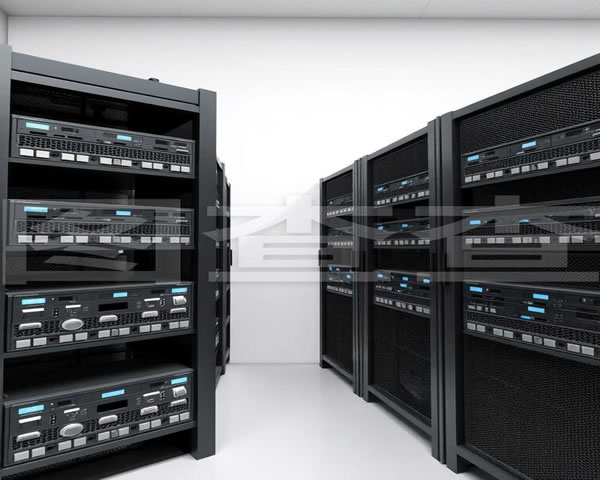
when deploying a vps in a korean computer room, geographical location, network interconnection and resource isolation will all affect performance. this article is intended for technical teams and systematically introduces monitoring key points and tuning ideas to help quickly locate bottlenecks, reduce delays and improve availability. it is suitable for actual operation and maintenance scenarios in seoul and surrounding computer rooms.
key monitoring indicators and preliminary data collection
to formulate a monitoring strategy, you must first determine the key indicators: cpu, memory, disk io, network delay and packet loss, process response time, and number of connections. use unified time granularity to collect historical data, and combine it with baseline analysis to determine anomalies to ensure that monitoring covers the unique peak periods and traffic patterns of korean computer rooms.
network and bandwidth monitoring strategies
the network quality of korean computer rooms directly affects user experience, and it is necessary to monitor uplink and downlink bandwidth usage, packet loss rate, round-trip delay (rtt) and link jitter. it is recommended to conduct continuous ping/tcp/udp tests on different nodes, and combine route tracing to locate problems across asn or international links.
cpu and memory bottleneck locating methods
determine whether there is a computing bottleneck by detailing the core's cpu utilization, load average, and context switching rate. in terms of memory, you need to pay attention to swap area usage, page jitter and cache hit rate. combined with process-level monitoring, identify services or threads consuming the most resources.
disk and io performance tuning points
disk latency and iops bottlenecks often cause service responses to slow down. measure average latency, queue depth, and throughput, and optimize file system parameters, adjust caching strategies, or use tiered storage to mitigate hot spots based on slow disk or virtualization layer io limitations.
application layer and process level debugging suggestions
application layer performance issues need to start from the request path, database query, thread pool and connection pool. record slow request logs, distributed tracing and database slow queries, combine stack sampling to analyze long-consuming operations and optimize code or sql logic to reduce single request resource usage.
delay, packet loss and regional impact analysis
when facing international users or cross-border services, korean computer rooms need to pay special attention to submarine optical cable paths and cdn acceleration strategies. through regional traffic splitting, nearby node routing and tcp parameter adjustment, the degradation of user experience caused by high latency or packet loss is alleviated.
automated alerting and capacity planning processes
establish multi-level alarm rules and combine them with self-healing scripts to avoid alarm storms and false alarms. make capacity forecasts regularly, adjust resources based on historical growth curves and business growth rates, and reserve redundancy to cope with sudden traffic caused by korean holidays or promotions.
impact of security and compliance on performance
security policies such as firewalls, ddos protection, and intrusion detection consume additional resources and can become potential performance bottlenecks. the technical team should evaluate the performance overhead of security components and reasonably allocate security equipment and resources in the korean computer room scenario.
tuning practices and continuous improvement suggestions
tuning is a continuous iterative process: starting from monitoring-driven root cause analysis, verifying assumptions, deploying improvements, backtesting effects, and accumulating experience. use change management and rollback mechanisms to record the quantitative effects of each optimization and form a reusable operation and maintenance manual.
special precautions for using korean computer room vps
considering the high density of local networks and user access characteristics in south korea, attention needs to be paid to local mirroring, dns resolution strategies, and periodic traffic peaks. for delay-sensitive services, it is recommended to enable nearby routing or multi-availability zone deployment to improve stability and disaster recovery capabilities.
summary and action suggestions
the technical team should use data as the driving force to establish a closed loop of comprehensive monitoring, rapid positioning and orderly tuning in the performance management of the vps in the korean computer room. it is recommended to prioritize establishing a baseline, deploying fine-grained monitoring, setting automated alarms, and regularly practicing capacity expansion and fault recovery.
- Latest articles
- Popular tags
-

-

Solution To Disconnection Problem When Using Korean Vps To Play Games
this article discusses common disconnection problems and solutions when using korean vps to play games, helping gamers obtain a smoother gaming experience. -